Putnam & Risam – Class Readings
Lara Putnam’s “The Transnational and Text Searchable” opened up a rhetorical dimension for me that I think builds off of the Rosensweig reading quite well, that is, the idea of such a great influx of information and it’s contextual basis. Not only do we have such an abundance in western scholarship and digital media, so too does everyone else in any other nation, and what the digital humanities has allowed for is a space of open access to transnational data, information, media, etc. Due to the capacity for translation and growing interest in globalization of understandings, Putnam uses the term “un-anchoring” to detail perhaps both a freedom and potential danger in the nature of such a societal condition–scholars are free to roam about in terms of seeking information, though that may depend now on that scholar’s institution: aka funding, the absolute bottom line. There is also the added risk of removing said information from it’s geo-political, personal, and relative contexts, “the risk, in sum, is that digitally enabled transnational history can let us think we are speaking of the world and to the world while actually insulating us from it.” (Putnam, 399) Despite these concerns, a great number of potential initiatives are examined, including the following list:

According to Putnam, these initiatives “offer new structures for linking scholars to data, but also new venues for linking scholars to each other, and new ways to bring students and non-specialists in to explore. Local, provincial, and national archives aggregate a jumbled variety of traces of the past based on geo-graphic origin. Local, provincial, and national newspapers, read page by page, do likewise. Collaborative portals to georeferenced sources do the same, at a much finer degree of granularity, if one wishes, and with unprecedented possibilities for aggrega-tion and visualization” (Putnam 399)
The key takeaway for me here is that bringing of concepts and tools that stem from the ivory tower of academia into the public sphere, and to take information, data, and services from the places that have been traditionally into a more provincial, and arguable practical setting. For me this is the biggest takeaway, and leads into the work of Risam.
Risam quite accurately builds off of the concerns that Putnam highlights, particularly the colonials tendencies to white-wash and de-contextualize the active histories and patriarchal hegemonies that reduce the self image of a nation while diminishing another. There is also the argument surrounding the university model as a body that perpetuates these hegemonies while claiming to undermine them (not all make this claim, but as a general umbrella statement for what the academy ought to be doing.) Risam states that:
invoking disruption as a position for critiques of digital humanities fails to take into account the complicity of universities, libraries, and the cultural heritage sector in devaluing black and indigenous lives and perpetuating the legacies of colonialism in the cultural and digital
cultural records alike. This is visible in structural devaluation facilitated
by lack of representation in the academy; segregation within universities; and the restructuring and defunding of African American, Africana, Black, and Ethnic Studies departments.
While I would make the argument that under the current regime of the Western the world that the whole of the humanities are under literal and figurative bombardment, this is especially true for the fields listed there by Risam with the added pressures of racism, discrimination, and histories of colonial domination. This is why Risam argues for the active participation and utilization of DH tools in spaces that have been subjected to said-such tragedy, as demonstrated expertly in the case study at the front of the paper in Puerto Rico.
Skills and DH Tools
In terms of skills, I basically played around with WordPress trying to put something together, and if I’m honest, I didn’t do the greatest job. I think was I able to do well in terms of the generic template setup, color scheme, typography, and the more surface level aspects of website creation and blog setup, but the interface is something that I’m actually not too familiar with. In hindsight I probably should have watched this video and completed an adequate run through, but I figured it may be more authentic to express the difficulty undergone and my general digital ineptitude, but I’m linking it here as one expression of minor mastery.
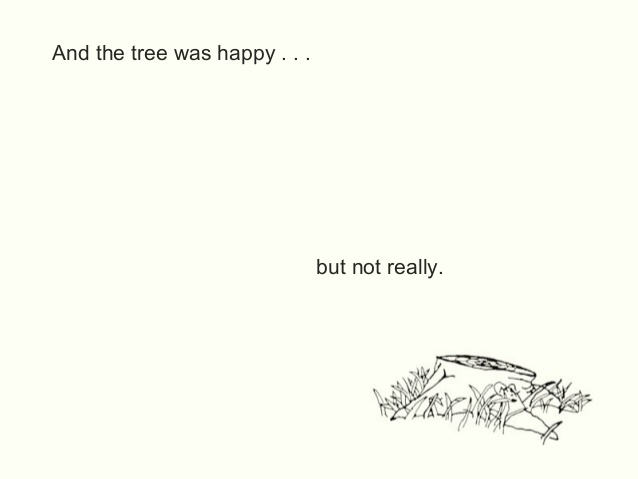
This week I think I’m going to take a proper stab at the website design having acquired some new learnings that I may have undertaken a bit too late into the week, including streamlining the design, adding multiple pages that hyperlink off of one another, and formulating a complete and cohesive website, akin more towards what the student samples were representing. And for now? I’m happy with that attempt… but not really.